S-01
Custom software development
Applications designed for a specific operational process where off-the-shelf products either do not fit or would require more configuration and workaround than a purpose-built system.
What it includes
- Requirements analysis and written functional specification
- Domain and data modelling, including migration from existing records
- Server-side application logic, scheduled processing and administrative tooling
- User interfaces built around the tasks staff actually perform
- Automated tests, deployment pipeline and technical documentation
Typical business use cases
- Replacing a spreadsheet-based process that has outgrown its format
- Internal tools for scheduling, approvals, case handling or asset tracking
- Customer-facing portals that must reflect internal data accurately
- Software that encodes rules specific to one organisation's obligations
Delivery approach
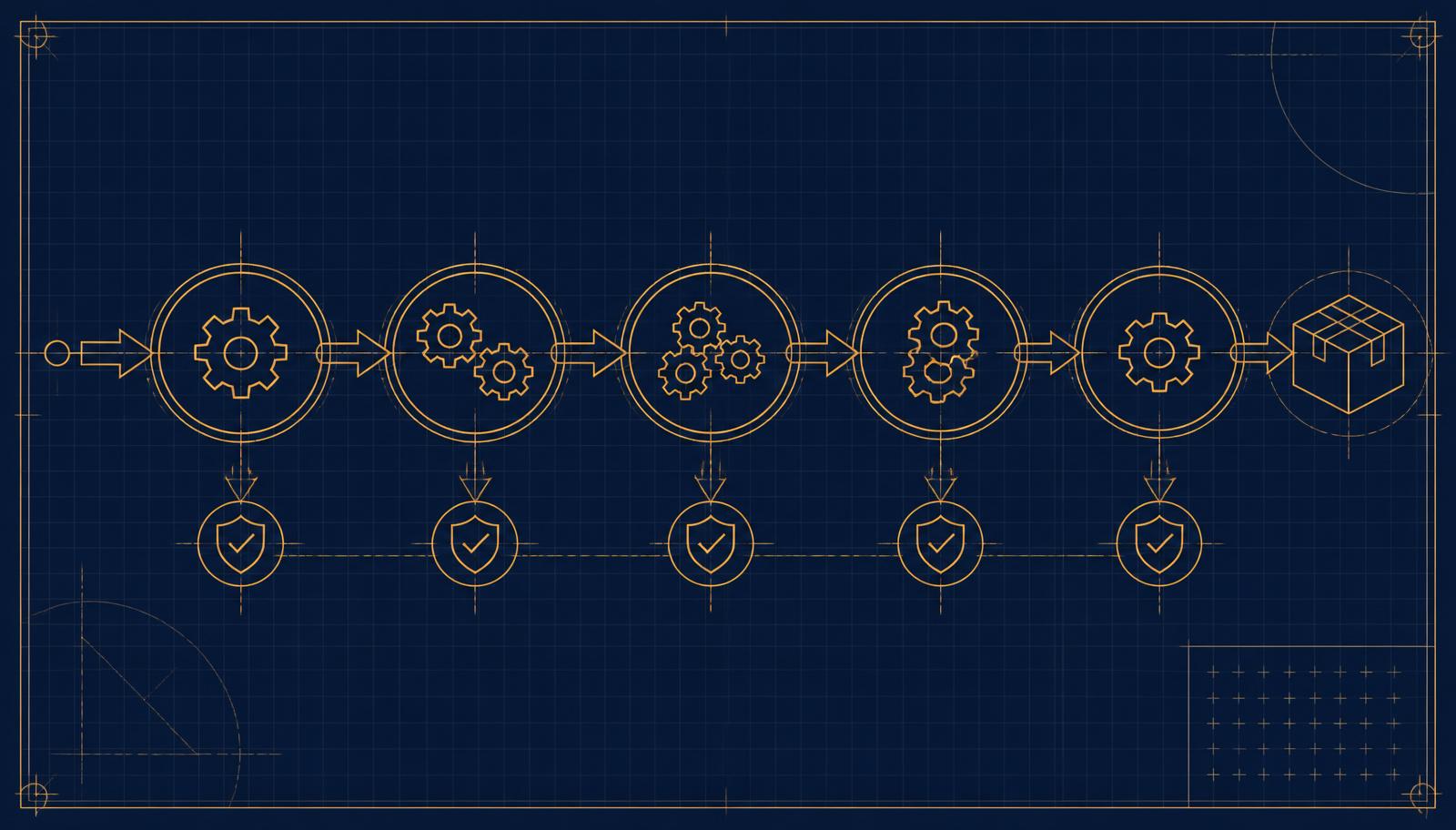
Discovery establishes the process and its exceptions. A specification defines scope and acceptance criteria. Implementation proceeds in reviewed increments with working software available throughout, followed by verification against the agreed criteria and a documented handover.
Expected types of outcome
Typically a system that matches the process without workarounds, reduces manual re-entry of data, and can be extended later because its structure and tests are documented. Actual results depend on the organisation's own processes and adoption.